Cute Zebra: A Designer's Review for Real Projects
As someone who has spent years testing machine embroidery designs for both personal hobby projects and commercial craft business lines, I approach every new file with a critical eye. The market is flooded with digital assets, but not every Cute Zebra design translates well from a screen to a finished product. When evaluating an illustration like this one, my goal is always the same: will it look professional on a sweatshirt? Will it hold up after washing? Is it versatile enough for an Etsy seller or a boutique owner? This review breaks down how Cute Zebra performs in real-world scenarios, moving beyond the preview image to discuss actual stitching dynamics.
First Impressions: Mood and Visual Personality
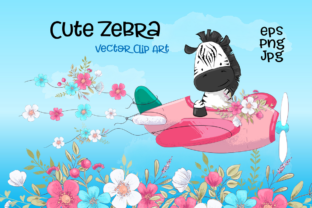
The first thing that strikes you about the Cute Zebra design is its approachable charm. Unlike realistic wildlife illustrations that require complex shading and high stitch density, this piece leans into a stylized, friendly aesthetic. It fits squarely within the Illustrations category, offering clean lines and a balanced layout that feels ready for immediate use. The visual personality is playful yet refined, making it an excellent candidate for nursery decor, baby embroidery, or even casual custom apparel.
When I load the file into my software, the balance between satin stitch and fill stitch appears promising. The stripes are defined clearly without being overly dense, which is crucial for maintaining fabric drape. For a designer looking to add a touch of whimsy to a brand, this design offers a strong foundation. It doesn't scream for attention aggressively; instead, it invites engagement through its soft curves and recognizable form. This makes it particularly effective for products where the customer wants a subtle statement rather than a loud graphic.
Real-World Application: From Hoop to Product
To truly understand the value of Cute Zebra, let's imagine a specific scenario. You are preparing a line of personalized tote bags for a local craft fair. You need a design that looks great on canvas but also works well on a cotton blend sweatshirt for your holiday embroidery collection. In this context, the simplicity of the zebra becomes a major asset. On a tote bag, the design stands out as a charming focal point, especially when paired with neutral thread colors like charcoal, cream, or soft gray.
If you were to apply this to a baby item, such as a onesie or a pillow cover, the rounded edges and lack of sharp, aggressive angles make it safe and appealing. Parents often gravitate toward animal motifs that feel gentle, and this particular Cute Zebra delivers exactly that. For small shop owners creating handmade products, the ability to use one design across multiple mediums—from embroidered patches to direct garment application—increases the return on investment for purchasing the digital embroidery file. It serves as a versatile design asset that can anchor a seasonal collection or a permanent "animal friends" line.
For the Etsy seller or creative entrepreneur, the visual appeal directly impacts buyer engagement. A high-quality finish on a custom apparel piece builds trust. If the stitches are too dense or the registration is off, the product feels cheap. However, because this design seems to prioritize clarity over excessive detail, it reduces the risk of stitching errors, ensuring the finished product maintains a professional look that justifies a higher price point.
Strategic Use Cases for Your Craft Business
- Custom Apparel: Ideal for t-shirts and sweatshirts where a centered chest logo or back print is needed.
- Baby Embroidery: Perfect for blankets, bibs, and nursery wall hangings due to its soft aesthetic.
- Home Decor: Works beautifully on tea towels, aprons, and throw pillows to add a pop of character.
- Gift Giving: An excellent choice for holiday gifts or personalized presents that require a quick turnaround.
- Brand Merchandise: Suitable for boutique branding if the style aligns with a playful, modern identity.
Navigating Challenges: Where Caution is Needed
While Cute Zebra is a strong contender, no design is universally perfect without proper preparation. As an experienced reviewer, I must highlight areas where this type of illustration requires careful handling. If you plan to use this on textured fabrics like denim or heavy canvas, ensure the stabilizer is robust enough to support the fill stitch areas. Without adequate backing, the stripes could sink into the fabric weave, losing their definition.
Similarly, be cautious with stretchy fabrics. The tension required for the satin stitch outlines might cause puckering on thin jersey or knit materials if the hoop size is too large or the stabilizer is insufficient. For dark fabric backgrounds, you may need to adjust the underlay settings to ensure the lighter thread colors pop effectively. A black background with a white zebra can look striking, but only if the contrast is managed correctly during the digitizing or editing phase.
Another consideration is the scale. While the design is cute at a standard size, shrinking it down for a cap or a small patch might compromise the integrity of the stripes. Tiny details can get lost or merge together if the stitch count is reduced too drastically. Always test the design on scrap fabric first to confirm that the smallest elements remain distinct. This step is non-negotiable for anyone selling finished goods, as quality control is what separates a hobbyist from a professional maker.
Practical Designer Notes for Success
Before committing Cute Zebra to a commercial project, follow these practical steps to ensure a flawless result:
- Test Stitching: Run a test on a similar fabric scrap to check thread color contrast and stitch density.
- Verify Licensing: Confirm whether the license allows you to sell finished items or if it is restricted to personal use. This is critical for any small business owner.
- Check File Specs: Ensure the hoop size matches your machine capabilities and that the file format is compatible with your software.
- Stabilizer Selection: Use a cut-away stabilizer for stretchy items and tear-away for stable wovens to maintain shape.
- Mockup Evaluation: Create printable mockups in both light and dark versions to visualize the final product before production.
- Inspect Details: Zoom in on the striped patterns to ensure there are no gaps or overlaps in the fill stitch.
Ultimately, the success of an embroidery project lies in the execution. Cute Zebra offers a solid, charming foundation for a wide range of applications, from personalized gifts to small shop merchandise. By respecting the limitations of the medium and applying sound design judgment, you can transform this digital file into a tangible, high-quality product that customers will love. Whether you are decorating a kitchen towel or launching a new line of baby clothes, this design has the potential to elevate your work—if handled with care and precision.