Family Birdhouse Clipart: A Charming Illustration for Lifestyle Branding and Content Marketing
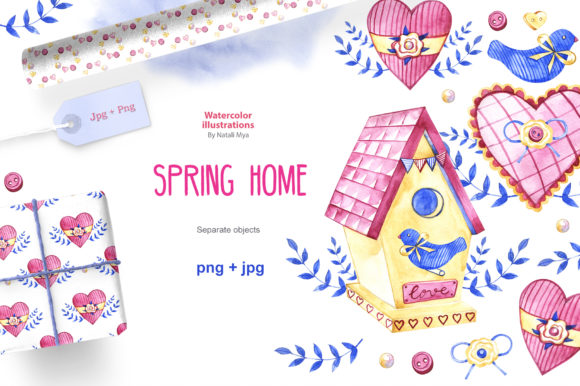
When first opening the Family Birdhouse Clipart pack, the immediate impression is one of warmth, simplicity, and approachable charm. The illustrations feel hand-drawn yet polished—perfect for brands that want to communicate a cozy, nature-inspired lifestyle. As a brand designer and content marketer, I can see how this design asset would resonate with audiences looking for authenticity, craftsmanship, and a touch of whimsy. It leans more toward casual, family-oriented branding than high-end luxury, making it ideal for small businesses in the home goods, parenting, gardening, or eco-conscious niches.
Setting the Emotional Tone for Audience Connection
The Family Birdhouse Clipart brings a gentle, nostalgic mood to visuals. It’s the kind of design that subtly evokes memories of childhood, backyard adventures, and simple joys—perfect for building emotional trust with your audience. Whether you're promoting a new line of organic baby clothes or launching a seasonal home decor collection, this clipart helps reinforce a narrative of comfort and care. It's not flashy or aggressive in style, which makes it a strong fit for brands that want to feel relatable and trustworthy without shouting for attention.
Real-World Marketing Applications: From Social Media to Packaging Design
In a recent branding project for a small candle company launching a spring collection, I found myself needing a visual element that could bridge their packaging inserts, Instagram stories, and Pinterest pins. Family Birdhouse Clipart turned out to be a surprisingly versatile choice. Used subtly in the corner of a product label, it added a handcrafted feel. In Instagram posts, it framed the seasonal theme beautifully. And for Pinterest, where visual storytelling is key, the clipart helped elevate the overall aesthetic without cluttering the message.
This design asset also works well in digital ad campaigns, especially when used as a supporting graphic rather than the focal point. In Facebook ads and Canva templates, it can guide the viewer’s eye gently toward the call-to-action without competing with the main copy. It’s especially effective in lead magnets, editorial layouts, and branded templates where a soft, humanizing touch is needed.
Where Family Birdhouse Clipart Shines: Brand Identity and Visual Consistency
One of the most important aspects of any graphic design asset is how well it supports a cohesive brand identity. Family Birdhouse Clipart, with its consistent line work and charming illustration style, integrates smoothly into a broader visual system. When combined with a curated color palette and intentional typography, it helps maintain a unified look across different marketing materials—from logo design mockups to blog graphics and email banners.
I especially recommend it for small business owners who are building their first brand kit or content creators putting together a media kit or printable promotions. It’s a great way to add personality without sacrificing professionalism.
Best Use Cases for Maximum Impact
Family Birdhouse Clipart performs best in marketing visuals that benefit from a warm, inviting tone. Some of the most effective placements include:
- Hero graphics on landing pages
- Seasonal campaign headers
- Branded Canva templates
- Social media covers and story highlights
- Packaging accents and product inserts
- Content bundles and printable promotions
- Editorial layouts and blog headers
- Decorative brand elements in newsletters
These are all areas where a subtle, recognizable visual motif can reinforce brand recognition and create a more engaging user experience.
When to Use It with Caution
That said, this clipart isn’t a one-size-fits-all solution. It’s best avoided in formal corporate branding or designs that require high levels of professionalism, such as B2B presentations or financial services marketing. It may also get lost or appear cluttered in text-heavy ads, low-contrast backgrounds, or overly minimal brand identities.
On mobile screens, especially in small graphics like app icons or thumbnails, the details in the illustrations can become indistinct. Always preview how the clipart looks in real-world applications, particularly when used at smaller sizes or alongside complex design elements.
Practical Designer Notes: Testing and Integration
Before finalizing its use in any campaign, test Family Birdhouse Clipart with your brand’s color palette. Does it maintain its charm in monochrome? How does it perform when scaled down for mobile? These are essential questions for ensuring visual consistency.
I recommend placing the clipart inside real campaign mockups—whether it's a packaging design layout, a social media post, or a product label. This helps you see how it interacts with other brand elements like fonts, logos, and photography.
Pair it with different font styles to see what resonates best. It tends to work well with script fonts for a whimsical look, but also holds up nicely with clean sans serifs for a more modern twist. Always check spacing and balance to avoid visual overload, especially in content-heavy layouts.
Licensing and Commercial Use Considerations
If you're planning to use Family Birdhouse Clipart in client work, digital ads, or commercial design projects, confirm the licensing terms before deployment. Most clipart sold on creative marketplaces comes with a commercial license, but it's always wise to double-check usage rights—especially if the design will be part of a digital product or printed merchandise.
Final Thoughts: A Valuable Design Asset for Small Brands and Content Creators
Family Birdhouse Clipart is more than just a decorative illustration—it's a strategic visual tool for small businesses, bloggers, and creative entrepreneurs looking to build stronger brand recognition and audience connection. Whether you're designing Pinterest graphics, refreshing your social media feed, or preparing a product launch campaign, this design asset delivers charm, versatility, and emotional appeal without compromising on professionalism.
Used thoughtfully, it can elevate your marketing visuals, support your brand’s storytelling, and help create a more cohesive and memorable visual identity across platforms.