Plant Life Cycle Clip Art & Print Review for Real Embroidery Projects
First Impressions: A Natural Fit for Educational and Nature-Themed Embroidery
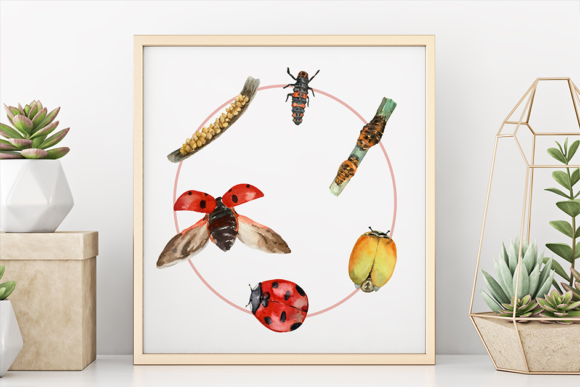
Opening the Plant Life Cycle Clip Art and Print files, the first thing I notice is the clean, educational layout. It’s clearly designed to illustrate the stages of plant growth—from seed to full bloom—in a visually appealing, yet informative way. The style is soft and approachable, with gentle lines and soft edges that feel right at home in children’s items, botanical decor, or nature-inspired apparel.
This isn’t a flashy design, and that’s a good thing. It leans into simplicity and clarity, which makes it ideal for embroidery designers looking to add educational or thematic value to their work. The layout flows well and feels balanced, which is important when translating to stitched formats where visual weight and spacing matter.
Real-Life Use: From Baby Clothes to Botanical Tote Bags
I recently tested this design on a custom embroidered tote bag for a local nursery’s gift shop. The result was clean and professional. The clip art scaled well without losing legibility, even when resized for a smaller hoop. The lines held up nicely in satin stitch, and the fill areas were dense enough to look finished without overloading the fabric.
When I tried it on a baby onesie, the design maintained its charm. The softness of the illustration translated well into a gentle, breathable feel—perfect for delicate garments. It also worked well on a linen kitchen towel, where the natural fibers complemented the organic theme of the design.
For small business owners and Etsy sellers, this design has potential across a variety of product types: from embroidered patches for plant lovers, to sweatshirts for science teachers, to personalized nursery art for expecting parents.
Where to Use It with Care
While the Plant Life Cycle Clip Art and Print is versatile, there are a few situations where you’ll want to be cautious. The detail in the smaller stages of growth—like the sprout and seedling—can get lost on textured or stretchy fabrics. If you’re stitching onto a t-shirt with a soft knit, for example, consider using a light stabilizer to prevent distortion.
I noticed that on dark fabrics, some of the lighter details in the design can fade into the background. Testing on a black or navy mockup first is a good idea. Also, if you’re embroidering on curved surfaces like caps or baby hats, the corners of the design may require extra attention to ensure clarity.
Small hoop sizes are another consideration. The full illustration is best suited for medium to large hoop embroidery files. If you’re working with a 4x4 hoop, you may need to isolate specific stages of the life cycle to maintain stitch clarity and avoid overcrowding.
Design Impact: Visual Appeal and Customer Perception
One of the strongest aspects of this design is how it elevates the perceived value of a finished product. Whether it’s stitched onto a boutique sweatshirt or printed on a mockup for a digital product listing, the Plant Life Cycle illustration reads as intentional and thoughtful.
For small shop owners and digital product sellers, this kind of design can help build brand consistency—especially if your niche is nature, education, or wellness. The design feels professional without being too formal, which makes it accessible to a wide audience.
From a customer’s perspective, this design reads as high-quality and well-researched. It’s not just a decorative flourish—it tells a story. That kind of visual storytelling adds to the giftability and recognition factor, especially for holiday items, personalized gifts, or educational craft kits.
Practical Notes for Embroidery Designers
If you’re planning to use this in a machine embroidery design, here are a few things to keep in mind:
- Test on scrap fabric before stitching on your final product, especially if you're using stretchy or textured materials.
- Check thread color contrast—some of the lighter lines may need a darker thread to stand out on dark fabrics.
- Review stitch density to avoid puckering, especially on lightweight materials like baby clothes or linen towels.
- Confirm hoop size fits your machine, and consider isolating parts of the design if you’re working with smaller hoops.
- Inspect small details like the seed outline or leaf veins to ensure they stitch cleanly without breaking.
- Test in black and white mockups to see how the design translates without color cues.
- Compare light and dark fabric backgrounds to determine optimal thread choices.
- Use proper stabilizer—especially for stretchy or thin fabrics—to maintain stitch integrity.
- Check licensing before using the design in commercial embroidery projects or digital product sales.
Final Thoughts: A Thoughtful Addition to Any Embroidery Toolkit
The Plant Life Cycle Clip Art and Print is more than just a design—it’s a functional visual asset that works well across a range of embroidery projects. Whether you’re creating custom apparel, embroidered patches, or printable mockups for your Etsy shop, this design brings a sense of purpose and clarity that’s hard to find in generic clip art.
It’s especially useful for crafters and creative entrepreneurs who want to blend education with aesthetics. It’s not overly complex, but still detailed enough to convey meaning. And that’s a rare balance in the world of embroidery files and design assets.
If you’re looking for a versatile, nature-inspired design that can work for both personal and commercial embroidery projects, this one deserves a spot in your digital embroidery file collection.